Advanced Fluid Mechanics 2: The Navier-Stokes Equations for Viscous Flows
$0.10
View product
Massachusetts Institute of Technology Courses
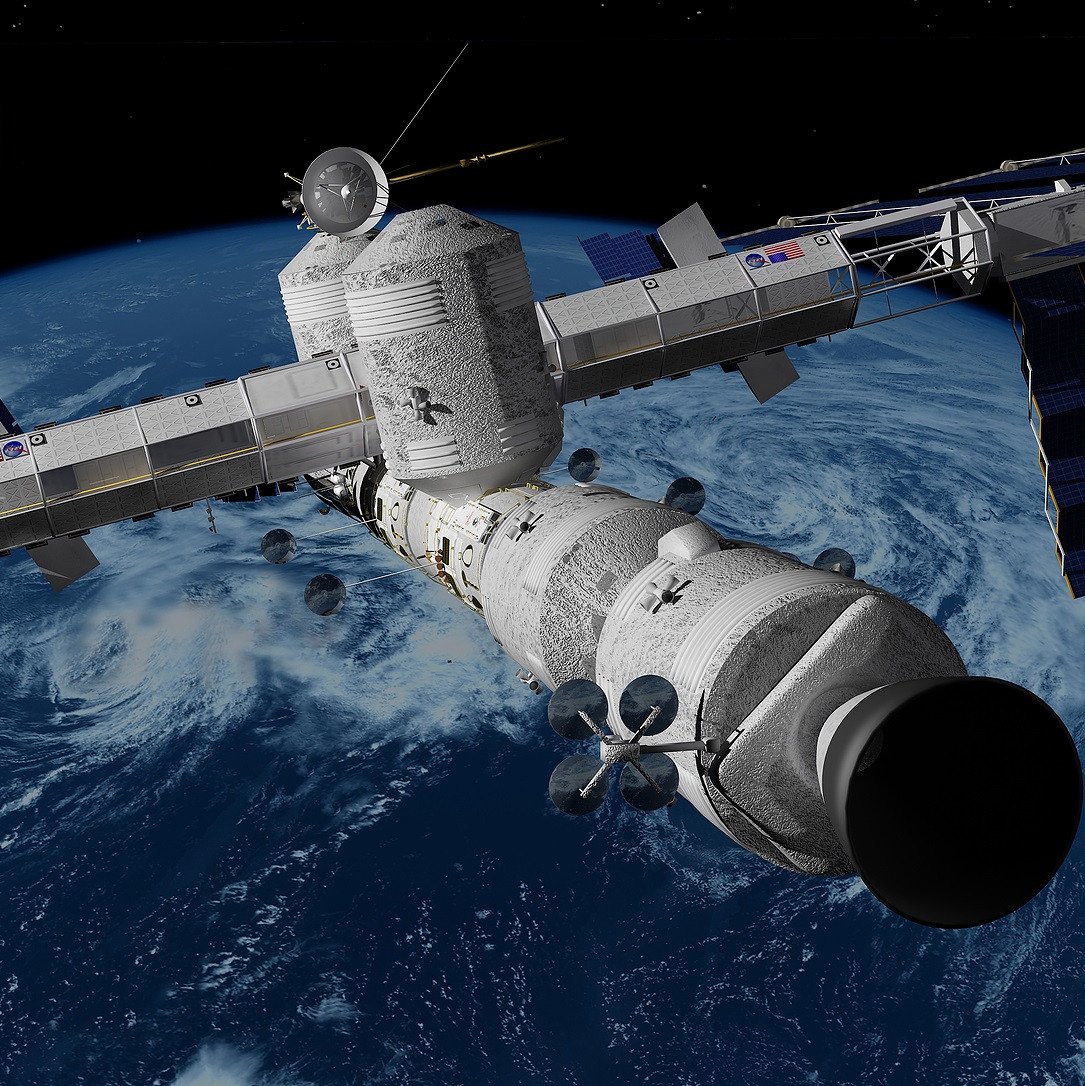
Spaceflight is exciting, and you don’t have to be a “Rocket Scientist” to share in the excitement! 16.00x makes the basics of spaceflight accessible to everyone. Join MIT Professor Jeffrey Hoffman, a former NASA astronaut who made five spaceflights and was
$0.10
Continue to purchaseCondition: New
Authentic product
Spaceflight is exciting, and you don’t have to be a “Rocket Scientist” to share in the excitement! 16.00x makes the basics of spaceflight accessible to everyone. Join MIT Professor Jeffrey Hoffman, a former NASA astronaut who made five spaceflights and was the first astronaut to log 1000 hours on the Space Shuttle, as he teaches you the core principles behind space travel and exploration. The course will cover how rockets work, how spacecraft move in orbit, how we create artificial environments inside spacecraft to keep astronauts alive and healthy, what it’s like living in a world without gravity, how the human body adapts to space, and how spacewalks happen, plus more. Many lessons will be illustrated with Professor Hoffman’s own experiences in space.

Former NASA Astronaut, Professor at MIT